Coordinating User Pattern Data With Dynamic Reward Systems in Mobile Entertainment Networks
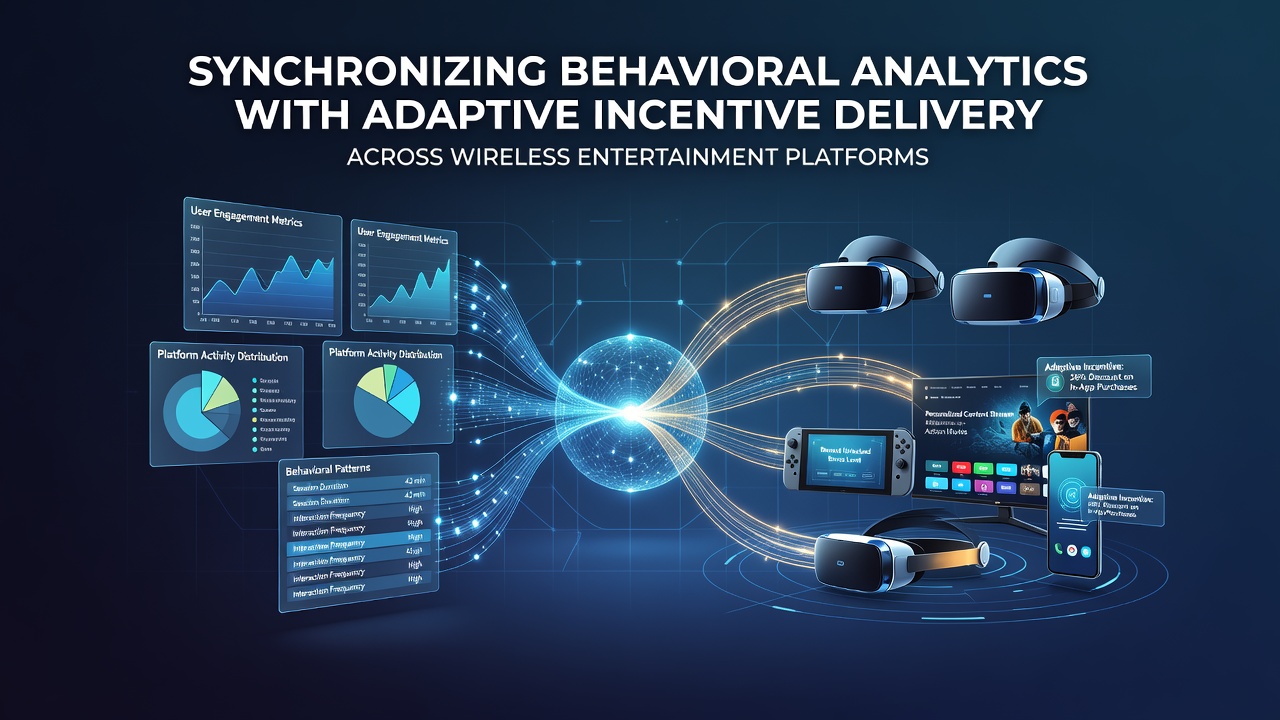
Wireless entertainment platforms continue to refine how they process player activity data alongside reward mechanisms that adjust in real time, and this coordination relies on integrated systems that track engagement metrics while delivering tailored incentives across mobile networks. Operators collect vast streams of information from user sessions, including session duration, game selection patterns, and interaction frequency, then route those signals into algorithms designed to modify bonus structures on the fly.
Core Components of Behavioral Data Processing
Platforms gather inputs from device sensors and app telemetry, which feed into centralized analytics engines capable of segmenting users based on observed habits rather than static profiles. Researchers at various institutions have mapped these flows, noting that synchronization occurs when data pipelines connect directly to incentive engines so adjustments happen within milliseconds of detected shifts in behavior. One study from a European research consortium highlighted how timestamped event logs enable platforms to correlate specific actions, such as repeated spins in slot titles or extended table game sessions, with subsequent reward triggers that appear personalized yet remain scalable across thousands of concurrent users.
Adaptive Mechanisms in Incentive Distribution
Adaptive delivery systems operate by referencing live analytics outputs to recalibrate offers like deposit matches, free spin allocations, or loyalty point multipliers. These recalibrations draw from rule sets updated through machine learning models trained on historical datasets, allowing the system to escalate or reduce incentive intensity depending on predicted retention value. Observers note that wireless networks introduce additional variables, including signal latency and device type variations, which engineers account for by embedding fallback protocols that maintain delivery consistency even during temporary connectivity drops.
Integration points between analytics dashboards and reward servers often utilize API gateways that standardize data exchange formats, ensuring compatibility across different entertainment genres hosted on the same platform. Figures from industry reports indicate rising adoption rates of such synchronized architectures throughout 2025 and into mid-2026, with several major operators completing phased rollouts by June of that year.
Technical Synchronization Approaches
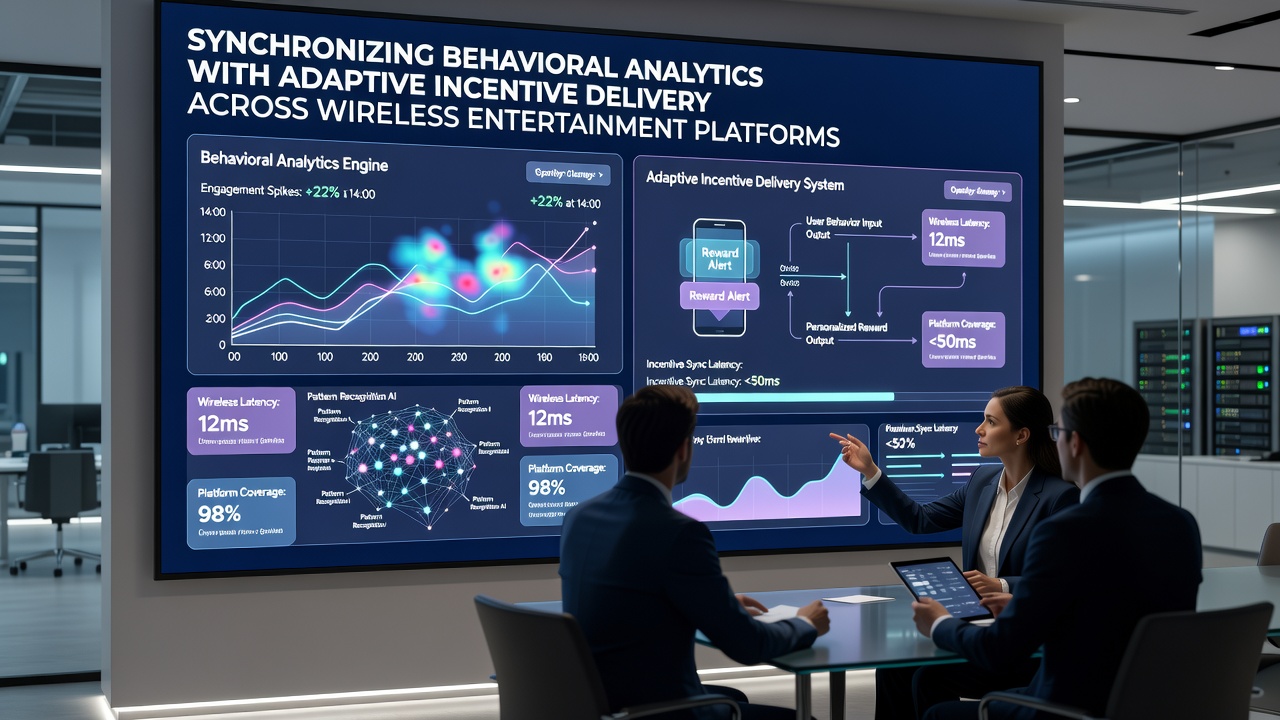
Engineers achieve synchronization through event-driven architectures where behavioral triggers publish messages to message queues that incentive services subscribe to, creating a decoupled yet responsive loop. Data encryption and access controls remain standard during transmission to satisfy regulatory frameworks in multiple jurisdictions, including oversight from bodies such as the Pennsylvania Gaming Control Board and similar authorities in other regions. Platforms also incorporate A/B testing modules that run parallel incentive variants on segmented user cohorts, measuring uplift in engagement metrics before wider deployment.
Wireless-specific considerations include bandwidth optimization techniques that compress analytics payloads without sacrificing granularity, alongside edge computing nodes positioned near cell towers to reduce round-trip times for incentive calculations. Those implementations allow operators to maintain sub-second response windows even as user volumes spike during peak evening hours across different time zones.
Implementation Examples Across Platforms
Take one operator managing a multi-title portfolio who linked session heatmaps directly to a reward orchestration layer, resulting in automated delivery of time-limited challenges that aligned with individual play rhythms. Another deployment involved cross-device continuity features where analytics persisted across smartphone and tablet sessions, enabling seamless incentive carryover that preserved user progression states. Industry associations have documented similar patterns in technical whitepapers, underscoring how these linkages reduce manual campaign management while increasing precision in resource allocation for promotional budgets.
Security layers wrap these processes through tokenization of user identifiers and regular audits of data handling procedures, practices reinforced by guidelines from organizations tracking responsible technology use in entertainment sectors. Continued refinement appears likely as 5G infrastructure expands coverage and reduces latency further, supporting denser data exchanges between analytics and delivery components.
Conclusion
Coordination between behavioral analytics outputs and adaptive incentive mechanisms forms a growing operational backbone for wireless entertainment platforms, supported by maturing data pipelines and regulatory alignment across jurisdictions. Continued monitoring of performance indicators will likely shape future iterations as network capabilities and analytical precision advance together.