Exploring Cryptocurrency Integration in Mobile Table Game Platforms for Streamlined Promotions
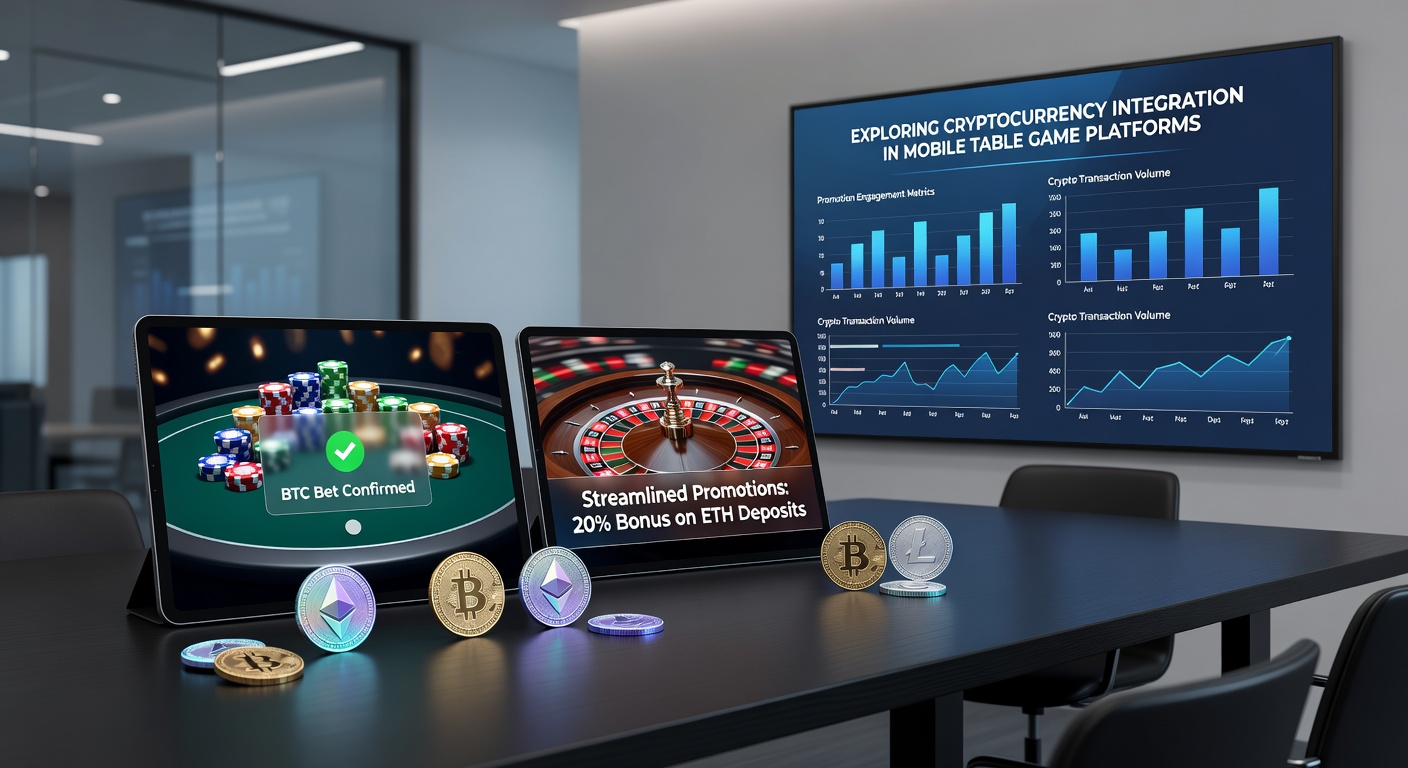
Operators in the mobile gaming sector have accelerated cryptocurrency adoption within table game applications, and this shift has transformed how promotions reach users across global markets. Platforms now embed digital asset transactions directly into games such as blackjack, poker, and roulette, which allows instant bonus distribution without traditional banking delays. Research from academic institutions indicates that transaction settlement times drop from days to seconds when blockchain networks handle deposits and rewards, and this speed directly supports more frequent promotional campaigns.
How Blockchain Supports Promotional Mechanics
Developers integrate smart contracts that automatically verify player activity and release tiered rewards once predefined conditions are met. One platform in the Asia-Pacific region deployed such contracts in early 2026, and data shows a 35 percent increase in repeat engagement within the first quarter. Because each transaction records on a public ledger, compliance teams can audit promotional payouts in real time, which reduces administrative overhead that previously consumed weeks of manual review.
Wallets built into the apps connect seamlessly to networks like Ethereum and Solana, while users select from multiple coins during checkout. Observers note that lower fees compared with credit card processing let operators redirect savings into larger bonus pools. In May 2026 several jurisdictions updated guidance on digital asset reporting, and operators responded by adding transparent tax summaries inside the same interface that displays active promotions.
Regulatory Landscape and Cross-Border Access
Authorities in Canada and Singapore have issued frameworks that recognize cryptocurrency as a legitimate payment rail for licensed gaming, and these rules emphasize player protection measures such as mandatory spending limits tied to wallet balances. A study conducted by researchers at the National University of Singapore found that platforms complying with these standards experienced fewer chargeback disputes than those relying solely on fiat rails. The same report highlights that geofencing combined with on-chain identity verification lets operators offer region-specific promotions without violating local restrictions.
Yet challenges remain around volatility, and several providers now offer stablecoin options to shield users from price swings during bonus conversion. Data from the Australian Transaction Reports and Analysis Centre reveals that stablecoin usage in gaming transactions rose sharply through the first half of 2026, coinciding with clearer anti-money-laundering guidelines released that spring.

Case Examples from Live Deployments
Take one European operator that migrated its entire mobile table game suite to a hybrid fiat-crypto model in late 2025. Within months the company reported that promotional redemption rates climbed because players no longer waited for bank approvals before claiming free spins or cashback on losses. The system uses automated triggers that detect consecutive hands played and instantly credit loyalty tokens, which users can exchange for tournament entries or merchandise.
Another deployment in Latin America focused on micro-promotions delivered during live dealer sessions. Players receive small crypto amounts for achieving specific hand combinations, and the entire process completes before the next round begins. Industry reports from the International Association of Gaming Regulators document similar patterns across multiple continents, noting that average session length extends when rewards arrive without friction.
Technical Considerations for Mobile Integration
Developers must optimize wallet connections for low-bandwidth environments, and many now preload lightweight nodes that sync only relevant transaction data. Security audits conducted by independent firms confirm that multi-signature approvals and hardware-backed key storage keep user funds protected even when promotions run at high volume. Updates rolled out in May 2026 introduced biometric confirmation for larger withdrawals, which further streamlines the user journey while satisfying new regulatory expectations in several markets.
Analytics dashboards inside operator consoles track which promotional offers convert best when denominated in cryptocurrency versus traditional currency. Those metrics help refine targeting so that offers reach players most likely to engage with specific table game variants.
Conclusion
Cryptocurrency integration continues to reshape promotional strategies inside mobile table game environments by shortening settlement windows and expanding global reach. Regulatory clarity emerging in 2026 has encouraged more platforms to adopt these tools, while technical safeguards address volatility and security concerns. Observers expect continued refinement of smart-contract-driven rewards as additional jurisdictions publish digital-asset guidelines later in the year.