Mapping the Journey Through Tiered Benefits: How Transaction Choices Empower Enthusiasts in Handheld Wagering Platforms
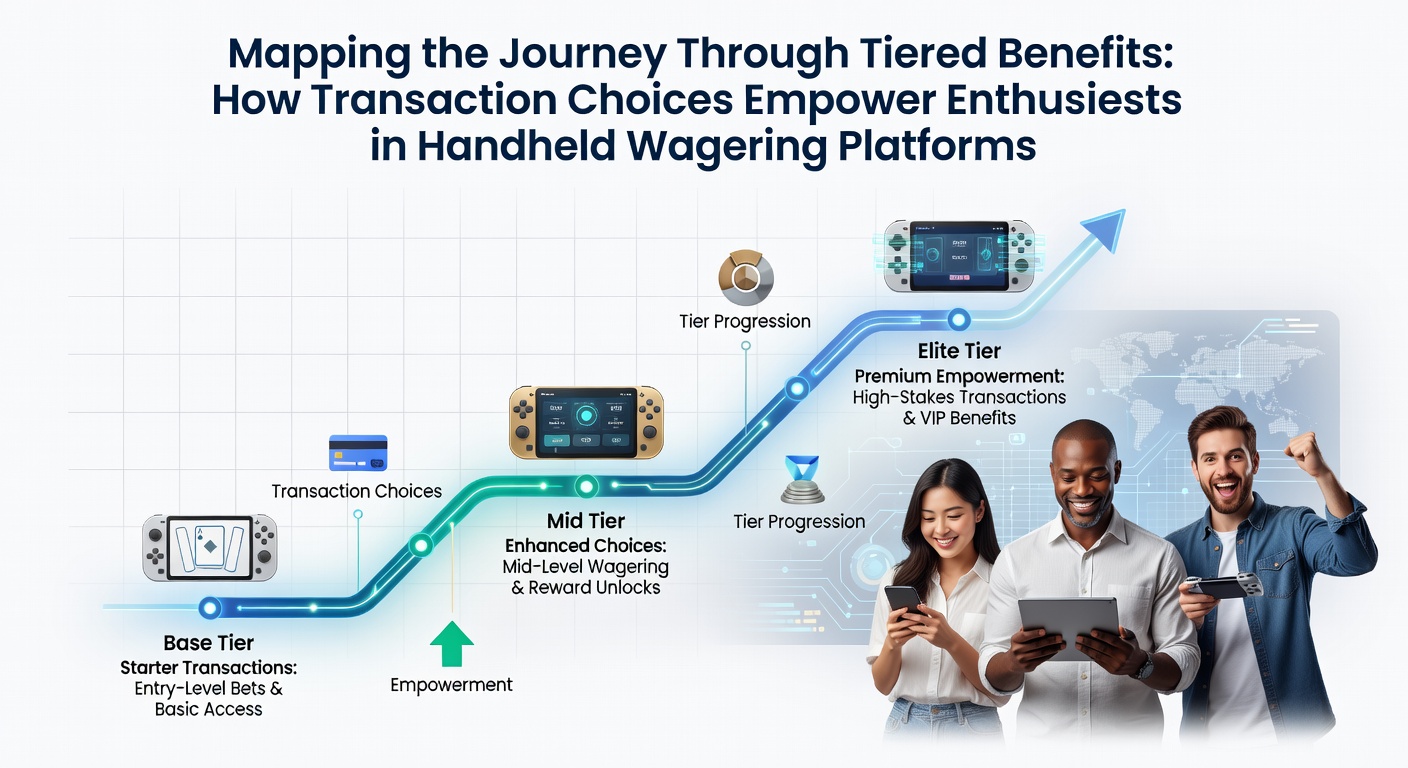
Handheld wagering platforms have integrated tiered benefit systems that respond directly to user transaction patterns, and these structures allow participants to unlock escalating rewards through consistent activity across mobile applications. Research from industry groups shows that deposit frequency, wager volume, and payment method selections influence progression through loyalty levels in many regulated markets.
Observers note that platforms track metrics such as total deposits, bet sizes, and session durations to assign users to tiers that range from entry-level to premium categories, while data from regulatory filings indicates these programs operate under oversight from bodies like the Nevada Gaming Control Board and similar agencies in other jurisdictions.
How Transaction Patterns Shape Tier Progression
Transaction choices begin with initial deposits that set the foundation for tier advancement, and enthusiasts who select higher-volume funding methods or repeat deposits at regular intervals often accelerate their movement through benefit ladders. Studies compiled by the American Gaming Association reveal that platforms log these activities in real time, granting immediate visibility into accumulated points that determine eligibility for cashback percentages, bonus credits, and exclusive event access.
Payment preferences also factor into calculations, whereas users opting for verified bank transfers or digital wallets may receive accelerated point multipliers compared with those relying on slower alternatives. Figures released in early 2026 demonstrate that such incentives have expanded across major operators, and analysts tracking mobile engagement metrics report steady increases in average transaction counts per active account during the first quarter.
Mobile Interfaces and Real-Time Reward Tracking
Handheld applications present dashboards that display current tier status alongside projected rewards based on upcoming transactions, which helps users plan deposits and wagers more strategically. One study conducted through university-affiliated gaming research centers found that participants who monitor these interfaces daily tend to adjust their activity patterns to meet upcoming thresholds faster than those who review accounts less frequently.
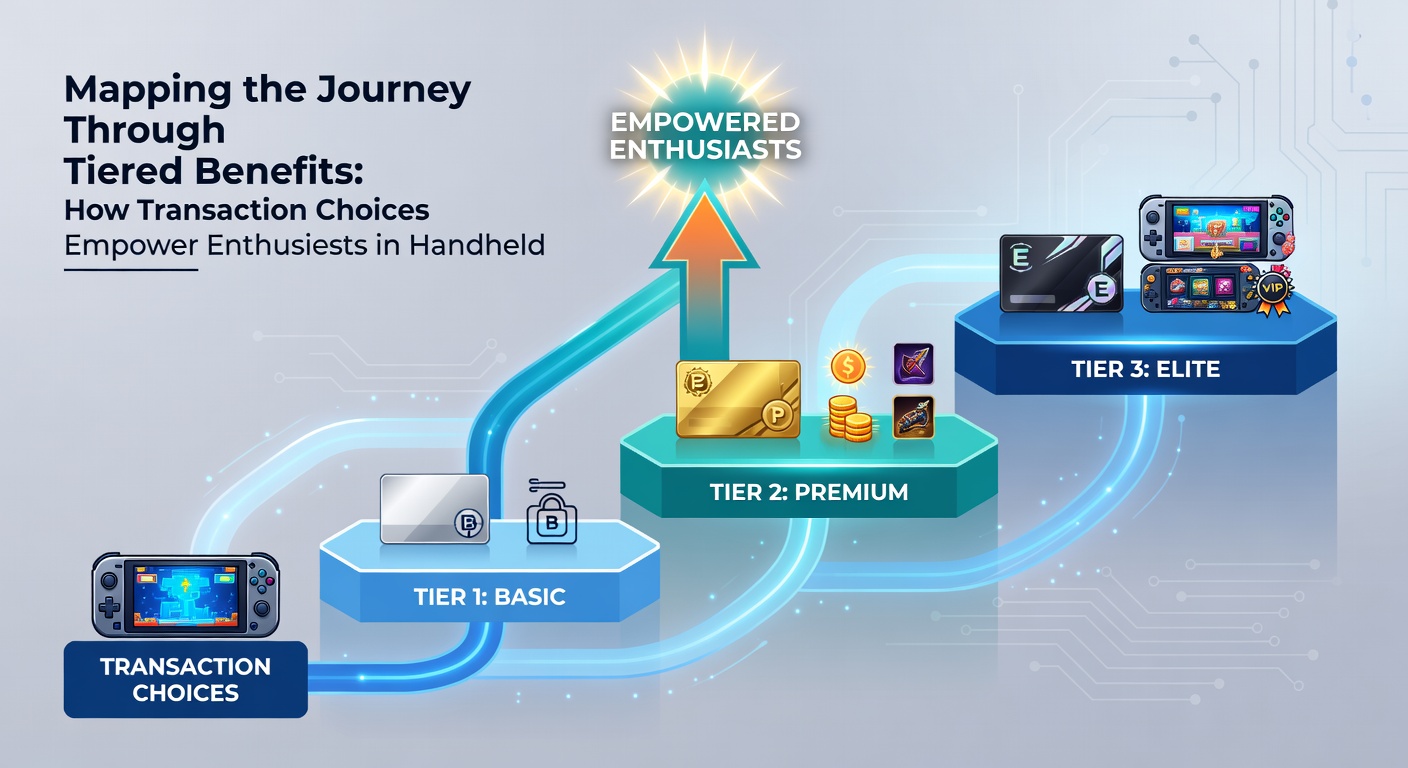
Push notifications alert enthusiasts when a single deposit or wager would elevate them to the next level, and this feature integrates with broader account management tools that summarize historical data. Reports from Australian regulatory sources covering the period through May 2026 highlight how these notifications correlate with higher retention rates among users who maintain steady transaction rhythms across multiple weeks.
Benefit Categories Across Loyalty Levels
Entry tiers typically deliver standard cashback on losses plus periodic free-play credits, while mid-level categories add personalized promotions and faster withdrawal processing that reflect accumulated transaction history. Premium tiers extend invitations to private tournaments and higher deposit match percentages, and data aggregated by North American trade organizations shows these top rewards concentrate among accounts exceeding specific monthly volume benchmarks.
Transaction method diversity can unlock supplemental multipliers, yet enthusiasts who concentrate activity through a single verified channel sometimes qualify for dedicated support representatives that further streamline platform interactions. Evidence collected from platform audits indicates that these layered incentives operate within frameworks established by provincial regulators in Canada, where monthly reporting requirements ensure transparency around reward distribution.
Geographic Variations in Program Design
Markets in different regions apply distinct rules to tier calculations, and European operators often emphasize responsible gaming limits alongside reward tracking whereas Asian platforms prioritize high-volume deposit streaks. Comparative analyses published by international research consortia note that these regional differences influence how quickly users advance, with some systems resetting points annually and others carrying balances forward.
Handheld accessibility amplifies participation because users can execute transactions from any location with network coverage, and statistics compiled through May 2026 show mobile accounts accounting for the majority of new tier advancements in monitored jurisdictions. Regulatory updates from multiple oversight agencies continue to shape minimum standards for disclosure of how specific transaction types affect reward eligibility.
Conclusion
Tiered benefit frameworks in handheld wagering platforms translate user transaction decisions into measurable advantages that scale with activity levels, and ongoing data collection by regulatory and industry entities provides the foundation for understanding these dynamics. Patterns observed through 2026 illustrate how deposit consistency and method selection interact with mobile interfaces to determine progression speed, while geographic regulatory differences continue to influence program structures across global markets.