Transaction Routes Toward Premium Tiers in Multi-Device Sports and Table Game Systems
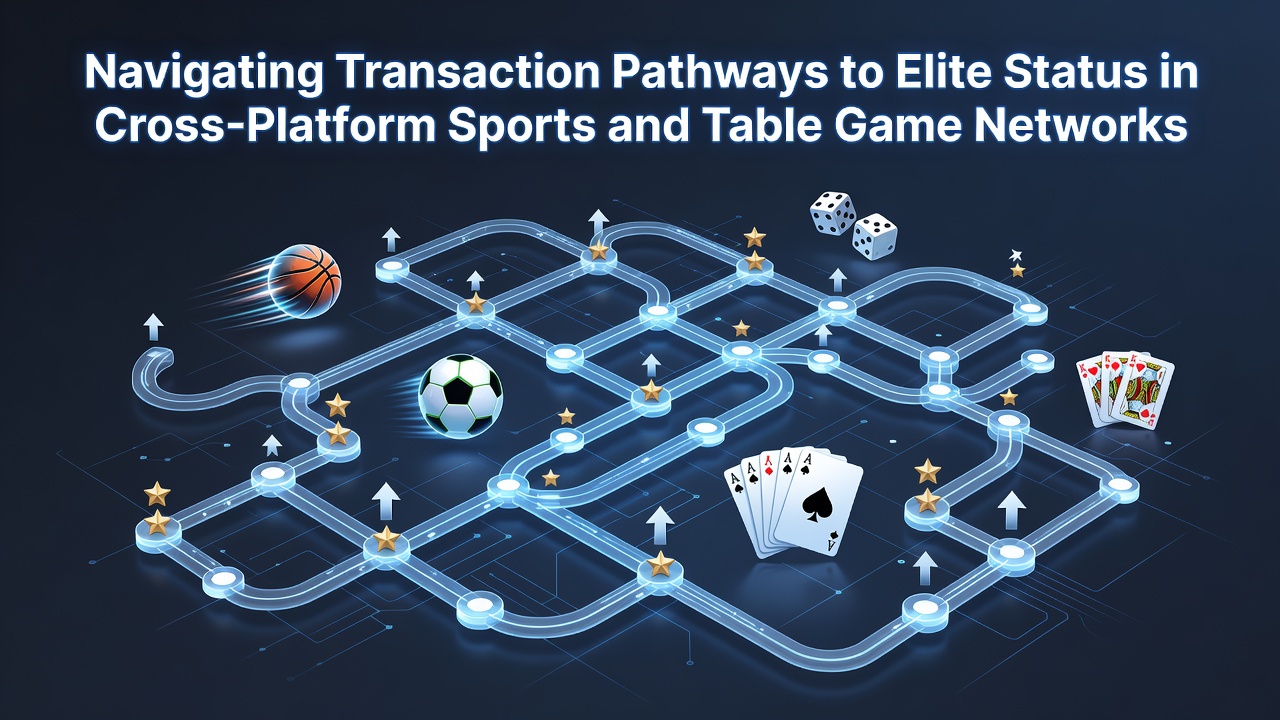
Transaction pathways in cross-platform sports and table game networks function through interconnected payment systems that track activity across mobile applications, desktop platforms, and live environments. Data from regulatory filings shows these networks accumulate points based on deposit volume, wager frequency, and game type participation, which operators convert into tier advancement metrics.
Observers note that July 2026 saw several North American operators update their cross-platform tracking protocols to align with new reporting standards issued by state gaming commissions. These updates allow users to maintain consistent progress toward elite status regardless of device switches during a single session.
Core Mechanics of Cross-Platform Tracking
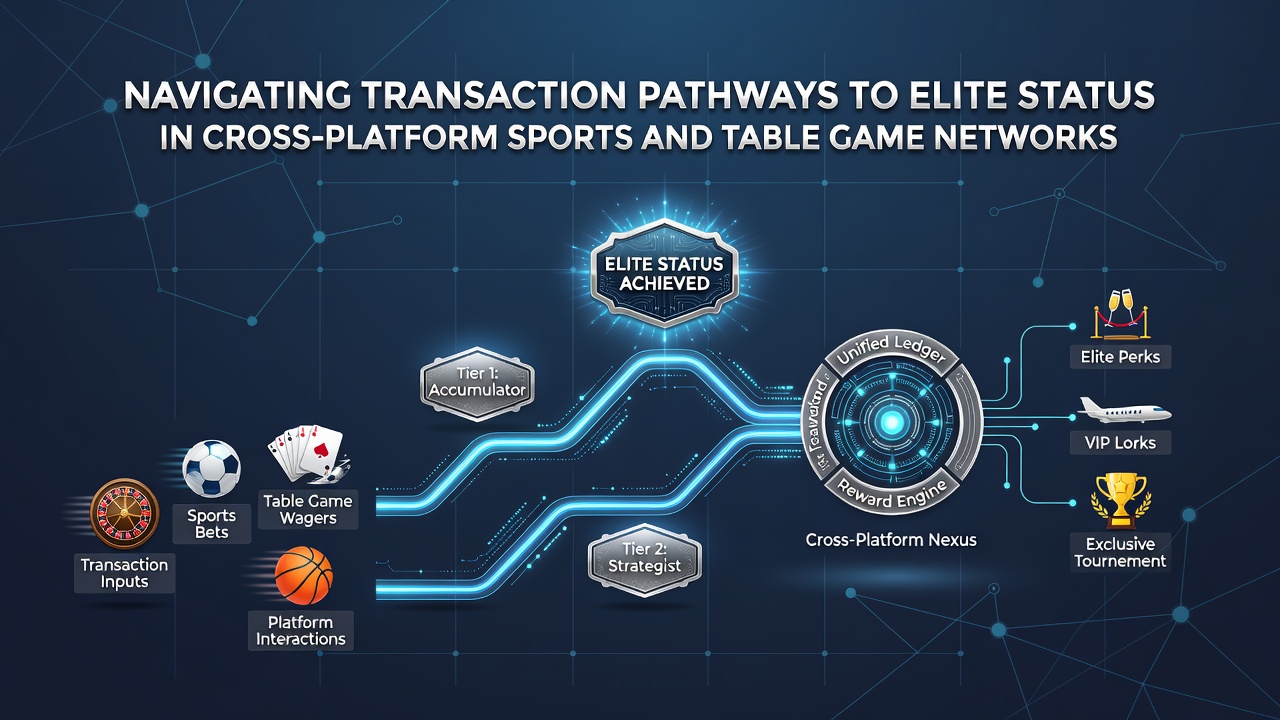
Payment processors integrate directly with loyalty engines in these networks, recording each transaction with timestamps and platform identifiers. Researchers at the University of Nevada, Las Vegas documented how such integrations create unified ledgers that operators use to calculate tier eligibility across sports betting markets and table game variants.
Users initiate the process through verified funding methods that feed into a central account visible on all linked devices. This structure ensures that a deposit made on a smartphone app registers identically when the same user accesses a desktop terminal later the same day.
Regional Regulatory Influences on Pathway Design
Canadian provincial authorities, including the Alcohol and Gaming Commission of Ontario, published compliance guidelines in early 2026 that require operators to display real-time tier progress across all platforms. Similar requirements appear in Australian state legislation, where gaming control bodies mandate transparent point accrual rules for multi-device environments.
These rules affect how networks handle international transfers and currency conversions during live table game sessions. Figures from industry reports indicate that platforms complying with multiple regional standards experience fewer user complaints regarding delayed tier updates.
Integration Points Between Sports and Table Game Activity
Sports betting transactions often carry different point multipliers than table game wagers within the same network. Data compiled by the European Gaming and Betting Association reveals that operators frequently assign higher weights to live sports events because they generate larger average transaction sizes compared with standard table game rounds.
Yet the pathways converge when users combine both categories in a single account. A sequence that begins with a sports deposit followed by table game play on another device registers as continuous activity toward the same elite tier.
Technical Infrastructure Supporting Elite Advancement
API connections between payment gateways and loyalty databases enable near-instant updates visible across platforms. Network administrators maintain these connections through redundant servers that prevent point loss during device handoffs.
One study released by the International Centre for Gaming Research examined transaction logs from multiple operators and found that platforms using unified APIs recorded 18 percent higher tier completion rates than those relying on separate systems for sports and table games.
Future Adjustments in Network Architecture
Operators continue refining these pathways as new devices enter the market. July 2026 updates introduced support for additional wearable interfaces that sync directly with existing sports and table game accounts.
Regulatory bodies in several jurisdictions now require operators to submit quarterly reports detailing how cross-platform transactions affect tier distribution. These reports provide the data foundation for ongoing improvements in network design.
Conclusion
Transaction pathways in cross-platform sports and table game networks operate through standardized tracking systems that convert activity into tier progression across multiple devices. Regulatory frameworks from diverse regions shape the technical requirements operators must meet, while infrastructure upgrades continue to streamline point accumulation. Data from academic and industry sources shows measurable differences in advancement rates depending on integration quality. These systems remain subject to periodic adjustments as new technologies and oversight standards emerge.